Dialogue & Philosophy
Bohmian Dialogue: A Practice for Thinking Together in a Fragmented World
David Bohm spent his life studying wholeness in physics. In his later years, he became convinced that the deepest wholeness we could investigate was the one we experience in each other. Out of that conviction came Bohmian dialogue, a simple, radical practice for genuinely thinking together.
What Bohmian dialogue is
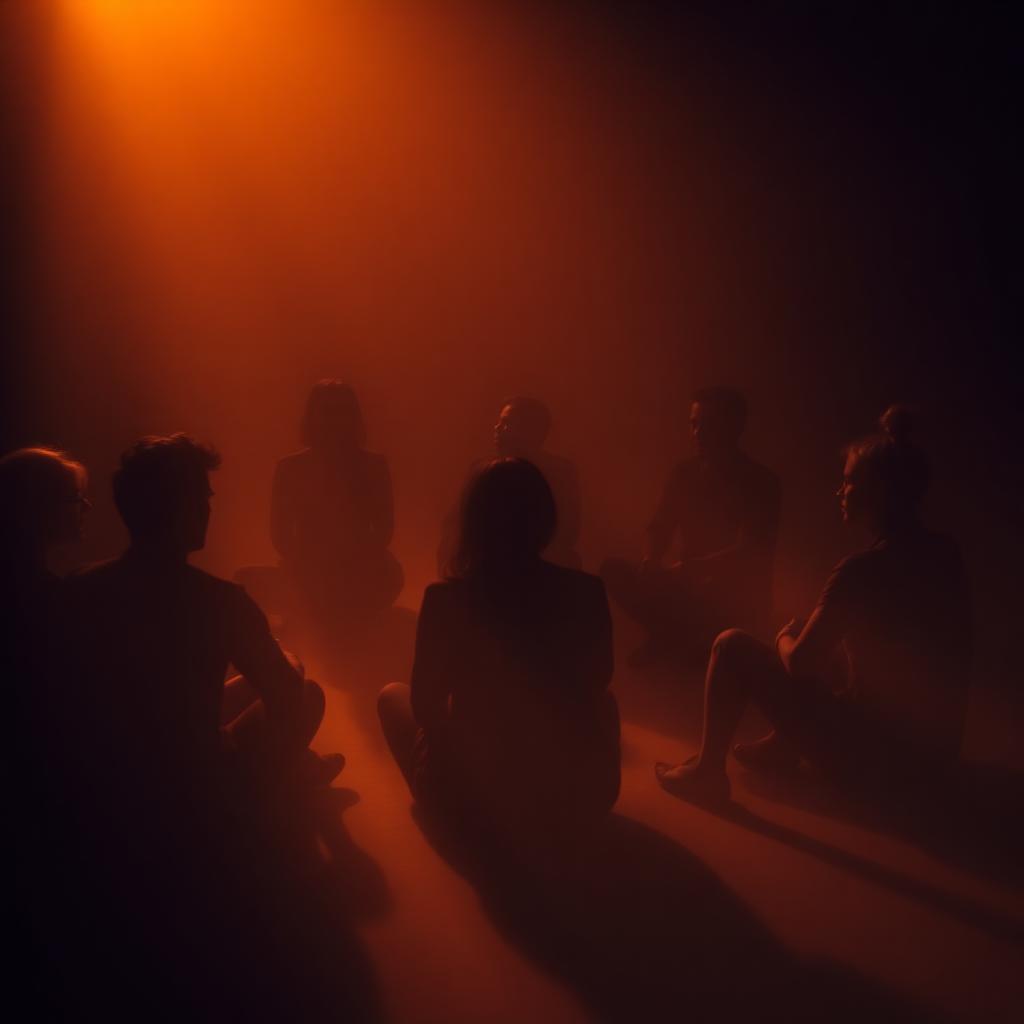
Bohmian dialogue is a group inquiry in which participants gather without a fixed agenda, without a leader, and without the pressure to reach a decision. The goal is not debate, not consensus, but a kind of shared perception. Bohm believed that when a group listens deeply enough, a new quality of intelligence can emerge that no individual could arrive at alone.
Why Bohm thought it mattered
For Bohm, most human problems, from personal conflict to global crisis, are rooted in fragmented thought. We take our beliefs, identities, and assumptions to be reality itself, and defend them accordingly. Dialogue is designed to reveal that process in real time, so it can begin to loosen its grip.
"Dialogue is really aimed at going into the whole thought process and changing the way the thought process occurs collectively."David Bohm, On Dialogue
How a Bohmian dialogue works in practice
- A group of roughly 20 to 40 people sits in a circle.
- There is no chosen topic, no leader, and no goal beyond inquiry itself.
- Participants speak when moved to speak, and listen without preparing a response.
- Assumptions are noticed and, where possible, suspended rather than defended.
- Sessions typically last around two hours and meet regularly over time.
What tends to happen
Early sessions are often uncomfortable. Without an agenda, familiar defenses show up quickly: performance, argument, silence, boredom. Bohm considered these reactions the point. They are the material of the inquiry. Over weeks and months, groups often report a growing sense of shared awareness and a genuine change in how they think, both together and alone.
Where dialogue is used today
- In education, as a tool for deep classroom inquiry.
- In organizations, to surface assumptions that block real change.
- In peace-building and reconciliation work, where positions have hardened.
- In small groups of friends and colleagues who simply want to think more honestly together.
How to begin
- Read On Dialogue by David Bohm, the primary source.
- Watch our documentary Infinite Potential to hear Bohm and his collaborators describe the practice.
- Find or convene a small group willing to try it for six sessions before evaluating.
Bohmian dialogue is not a technique for solving problems. It is a way of noticing how thought builds and defends the problems we live in, and what becomes possible when a group is willing to see that together.
Share this article